


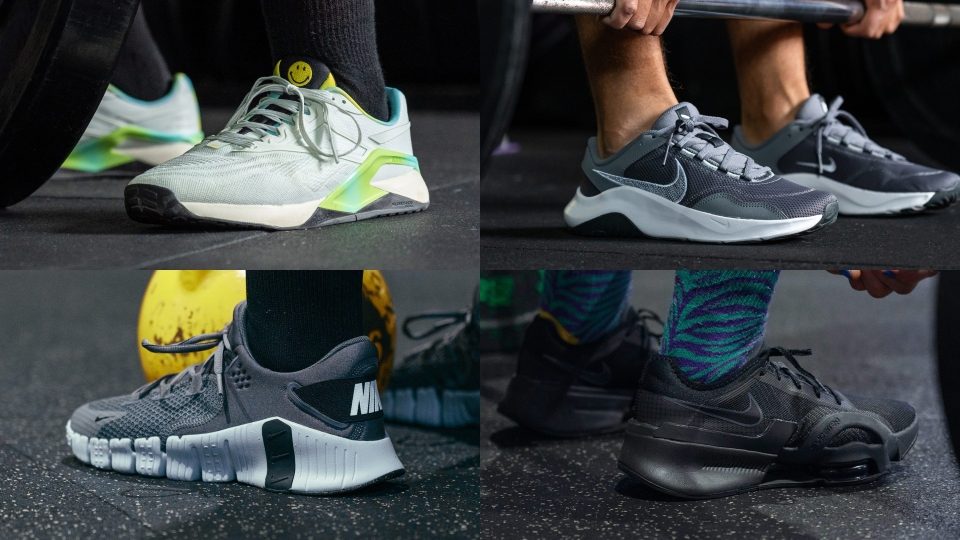
What is a cross-training shoe?
A cross-training shoe is a type of athletic shoe designed for multi-disciplinary workouts and activities. Cross-training shoes are versatile and can be used for a variety of exercises, including weightlifting, running, jumping, and other high-intensity workouts.
These shoes are designed to provide support, stability, and comfort for the feet during intense workouts. They typically have a cushioned yet stable sole to help absorb shock and reduce the impact on the joints.
Type of workouts handled by cross-training shoes
Cross-training shoes are designed to be versatile and support a variety of different physical activities. Here are some of the types of workouts that are well-suited for cross-training shoes:
|
High-intensity interval training (HIIT) and cardio |
Most cross-training shoes have enough cushioning, lateral support, and flexibility to handle high-impact exercises like jumps. |
| Circuit training | Cross-trainers are versatile enough to handle the various types of movements involved in circuit training, including weightlifting, plyometrics, and bodyweight exercises. |
| Weightlifting* | Cross-training shoes typically provide adequate stability and support for weightlifting exercises, including squats, deadlifts, and other strength training movements. |
*For heavy Olympic weightlifting and squats, you may want to consider a dedicated pair of lifters. The elevated heels and non-compressible platforms of these shoes promote the most efficient posture for lifting heavy.
Can you run in cross-training shoes?
While cross-training shoes can be used for running, they do not provide the same level of support and performance as running shoes. But most cross-trainers can handle short runs of 1-3 miles.
If you’re a frequent runner, it’s recommended to use shoes specifically designed for running to reduce the risk of injury and improve your performance.
The difference in cushioning, energy return, and even midsole design is striking.
If you’re only an occasional runner or do a variety of activities, cross-training shoes can be a suitable option. Ultimately, it’s important to choose shoes that fit well, provide the right level of support and cushioning, and are comfortable for the type of activities you will be doing.
Cross-training shoes vs. Crossfit shoes
Cross-training shoes are a broader category of gym footwear that includes CrossFit shoes. So, in a way, they are the same.
But here is what characterizes Crossfit-oriented shoes:
Stability: These shoes provide extra stability for weightlifting exercises, especially during heavy lifting, while other cross-training shoes may not have the same level of stability.
Cushioning: They often have minimal cushioning and a low profile to promote a more natural feel for weightlifting and lateral movements.
Durability: Crossfit shoes have sturdier and more abrasion-resistant materials to match the higher demands of this workout regimen. In particular, these shoes have reinforced sidewalls to protect the upper during rope climbs.

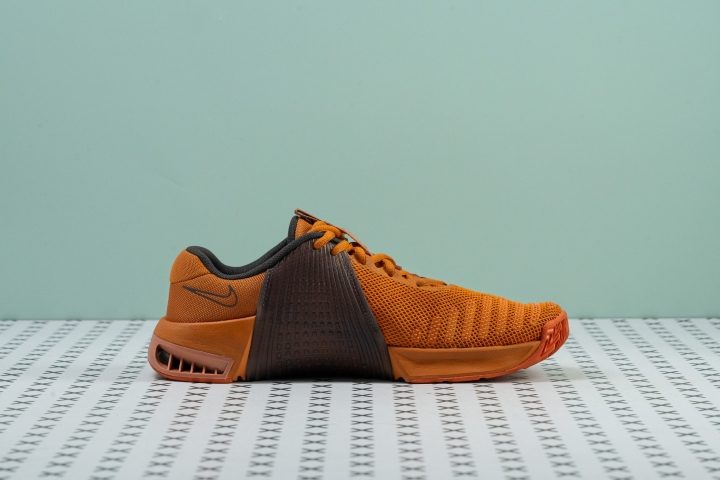
Ultimately, the type of shoe you choose will depend on the specific demands of your workout routine and the types of activities you engage in. If you are primarily engaged in weightlifting and CrossFit-style workouts, a CrossFit shoe might be the better option, while if you participate in a wider range of activities, a more general-purpose cross-trainer might be more appropriate.
How to choose the right cross-trainer for you
Aside from the shoe aesthetics, there are several characteristics that you should pay attention to when choosing a pair of cross-trainers:
- Heel stack and drop
- Midsole firmness
- Flexibility of the shoe
- Lateral support and stability
- Durability of the shoe
- Breathability of the upper
- Shoe size and toebox fit
It may seem overwhelming at first but getting these parameters right will make your future trainer feel like it’s been fine-tuned to your feet.
Heel stack and drop: how to choose
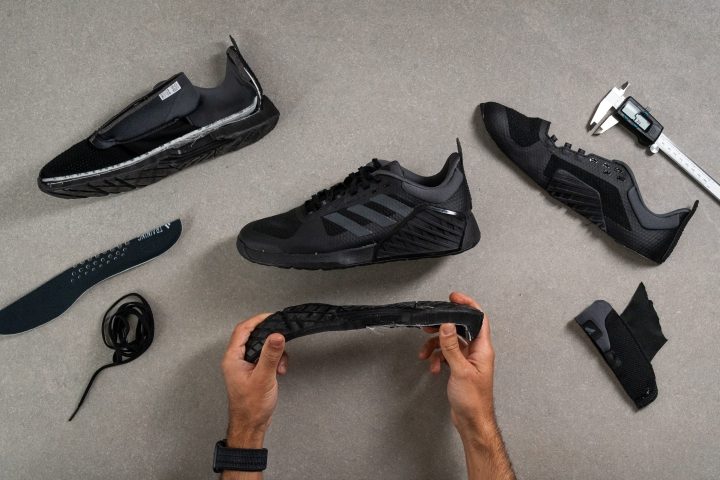
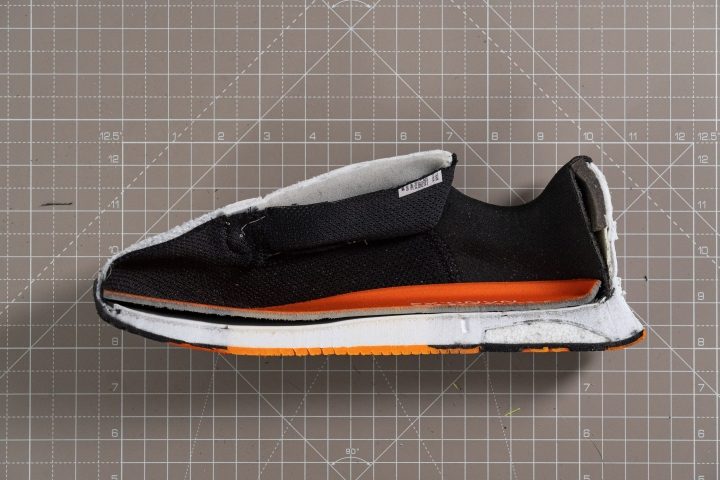
Heel stack refers to the amount of material stacked underneath your heel (insole, midsole, and outsole combined). As for the drop, it indicates how much the heel is elevated above the toes inside the shoe.
| Low heel stack (<24 mm) and drop (<8) | High heel stack (>24 mm) and drop (>8 mm) |
| creates a more grounded platform for Crossfit or any other exercises that call for a stable basis | offers more support and impact protection if you’re engaging in lots of jumping or running |
Midsole firmness in cross-trainers
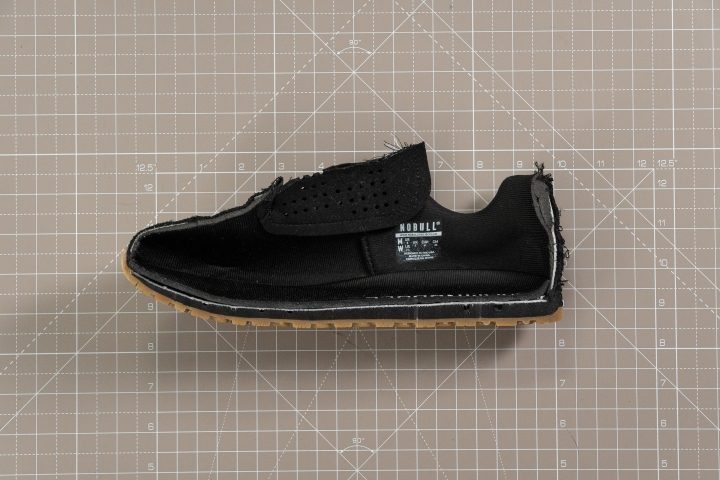
Made of foam, midsoles provide cushioning and support for the feet. In cross-training shoes, it is typically firmer in the heel and softer in the forefoot. This difference in density provides a balance of stability for weight training and responsiveness for jumping.
And yet, some midsoles are overall firmer than others which makes them better for certain types of exercise:
| Firmer midsole (>28 HA*) | Softer midsole (<28 HA) |
| better for weightlifting | better for cardio, HIIT, aerobics, treadmill, etc. |
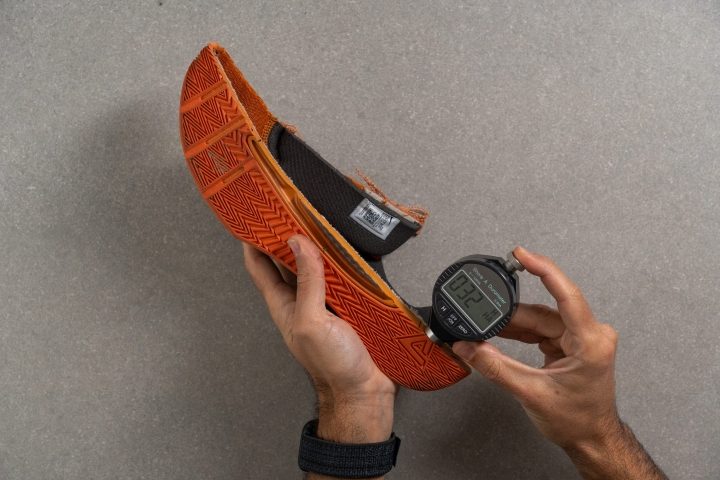
Example of a firmer midsole in a Crossfit shoe (Reebok Nano X1)
Example of a softer midsole in an HIIT shoe (Nike Air Zoom SuperRep 3)
Flexibility of cross-training shoes
A cross-training shoe should be flexible enough for exercises like jumps, runs, lunges, and planks. However, some trainers are made significantly more flexible than others.
Example of a stiffer Crossfit shoe (NOBULL Impact)
Example of a highly flexible cross-trainer (Nike Free Metcon 4)
We use a gauge to measure how much force it takes to bend a shoe to a 90-degree angle
Lateral support and stability
Whether you are squatting with a heavy barbell or moving forcefully side-to-side, a good pair of cross-trainers will never make you feel wobbly.
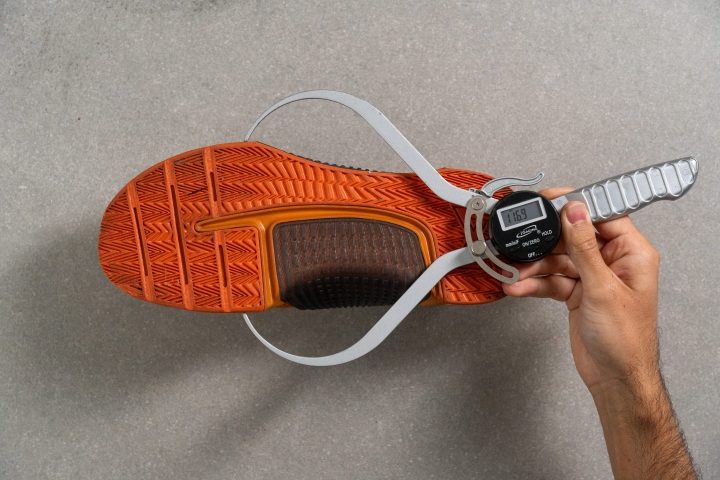
In our lab, we measure a few parameters that indicate a highly stable trainer:
- midsole firmness
- torsional rigidity
- heel counter stiffness
- midsole width in the widest parts (both forefoot and heel)
Checking the durability of cross-training shoes
Cross-training shoes must be able to withstand the various types of physical activity that you engage in during your workouts. Their uppers should not easily rip or tear and the rubber outsole should be resistant to abrasion.
We put each cross-trainer through a series of demanding durability tests with a Dremel.
We assess each shoe’s toebox and heel padding durability on a 1-5 scale based on the damage.
We evaluate outsole durability based on the depth of the dent created by the Dremel.
*Outsole durability: a lower number means more durable. It refers to the depth of the dent left by the Dremel.
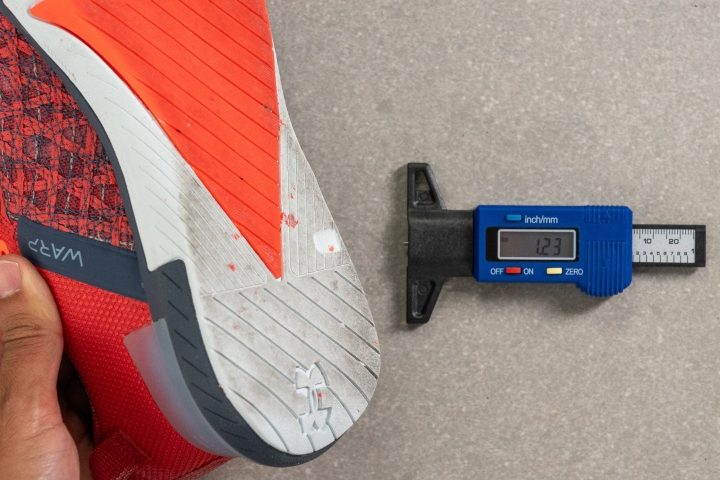
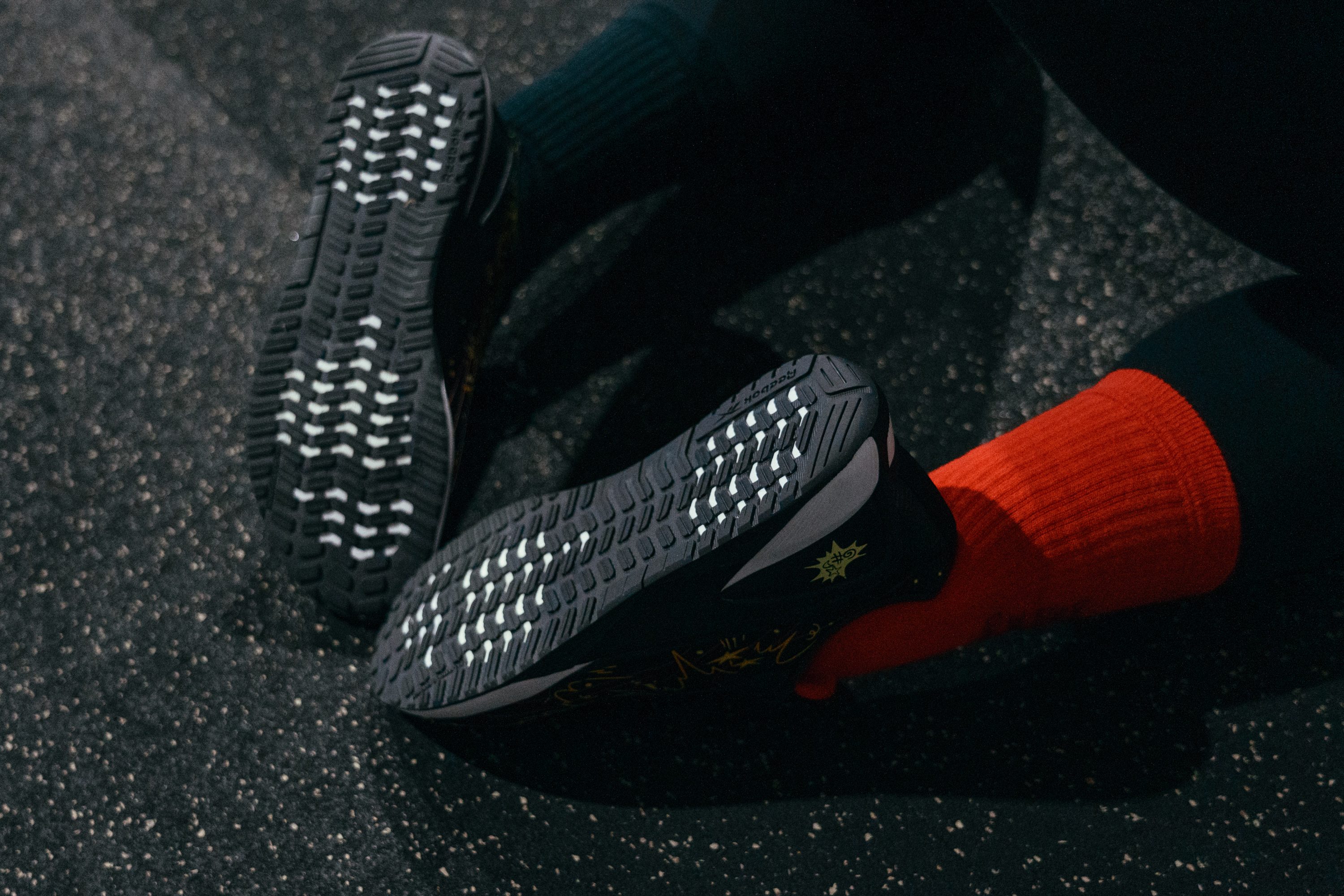
Planning to wear cross-trainers outside? Check the outsole
And if you plan to wear your future cross-trainer outside the gym, you must be especially demanding in the durability department. Asphalt and other abrasive outdoor surfaces can eat through the outsole much faster. Thus, you should look for the following:
- a full-length rubber outsole
- a thick layer of rubber (at least 4 mm)
- a hard rubber compound (at least 80 HC)
Consider breathability
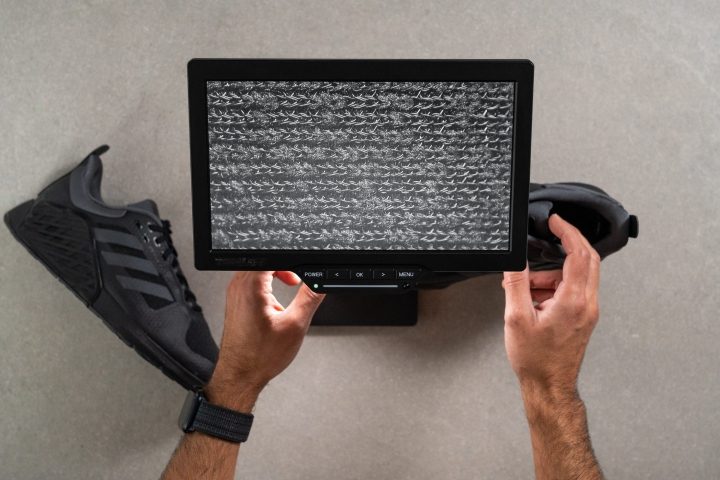
A cross-trainer with sufficient ventilation will keep your feet cool and comfortable during intense workouts.
We use a series of tests with a smoke-pumping machine, a flashlight, and even a microscope to assess each shoe’s ventilation capacity.
Shoe size and toebox fit in cross-trainers
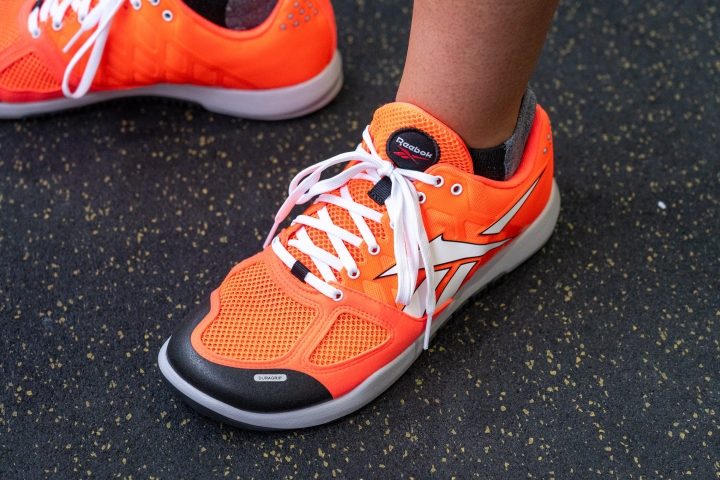
In most cases, getting a cross-trainer in your regular athletic shoe size works just fine.
But if you are ordering online and it’s been a while since you last purchased a pair, then we recommend taking the following steps to ensure the right size:
Getting the right size length-wise is great, but you must also consider the internal space provided in a given cross-trainer.
A toebox is the front part of the shoe that provides room for the toes to move and helps protect them from injury. A good toebox should provide enough room for your toes to move freely and comfortably, without feeling cramped or restricted. Being able to splay your toes is essential for feeling stable when lifting or balancing on one foot.
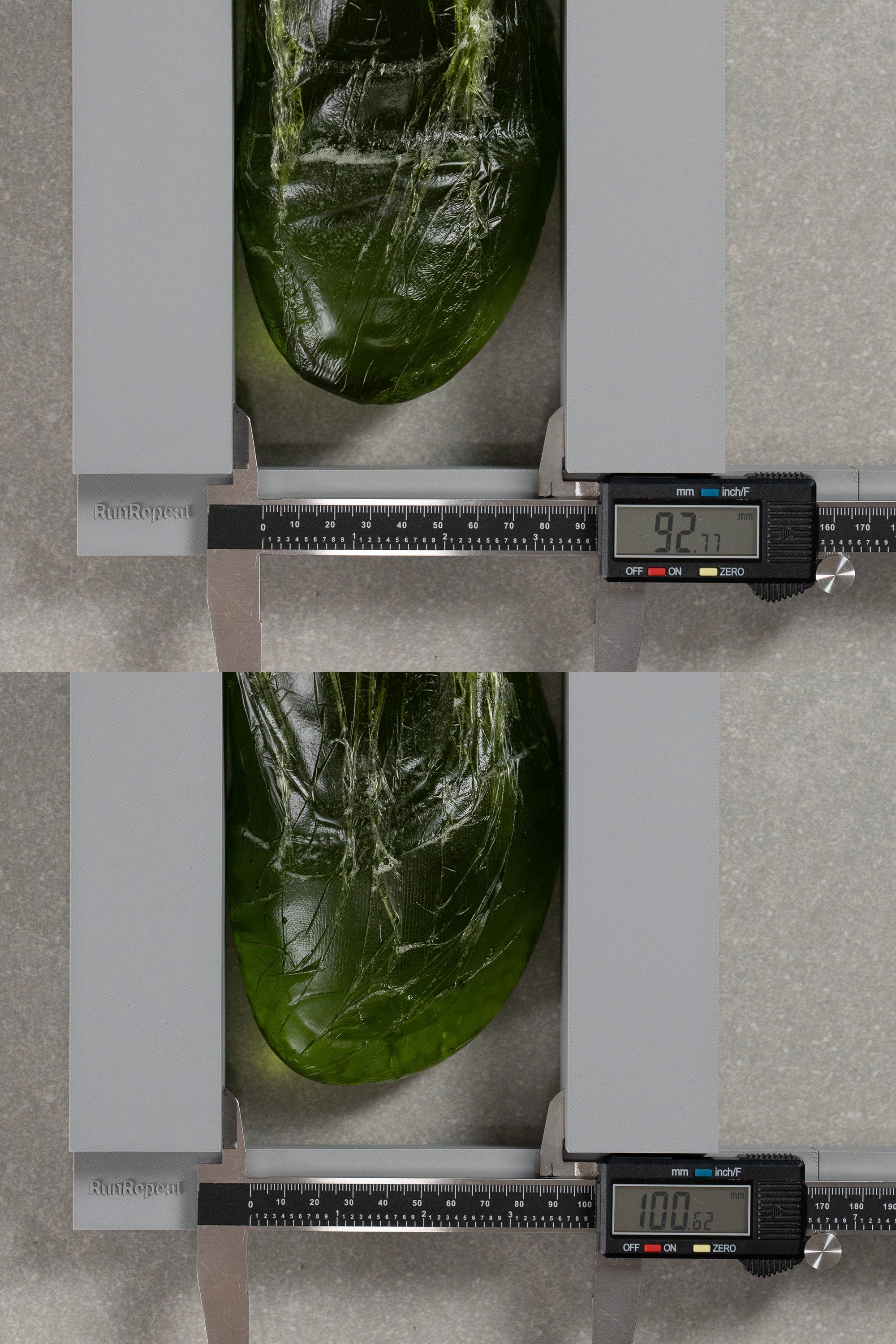

We measure the width of each cross-trainer in both the widest part and at the big toe. This gives a better idea of a shoe’s dimensions and whether its toebox is tapered or not.
link