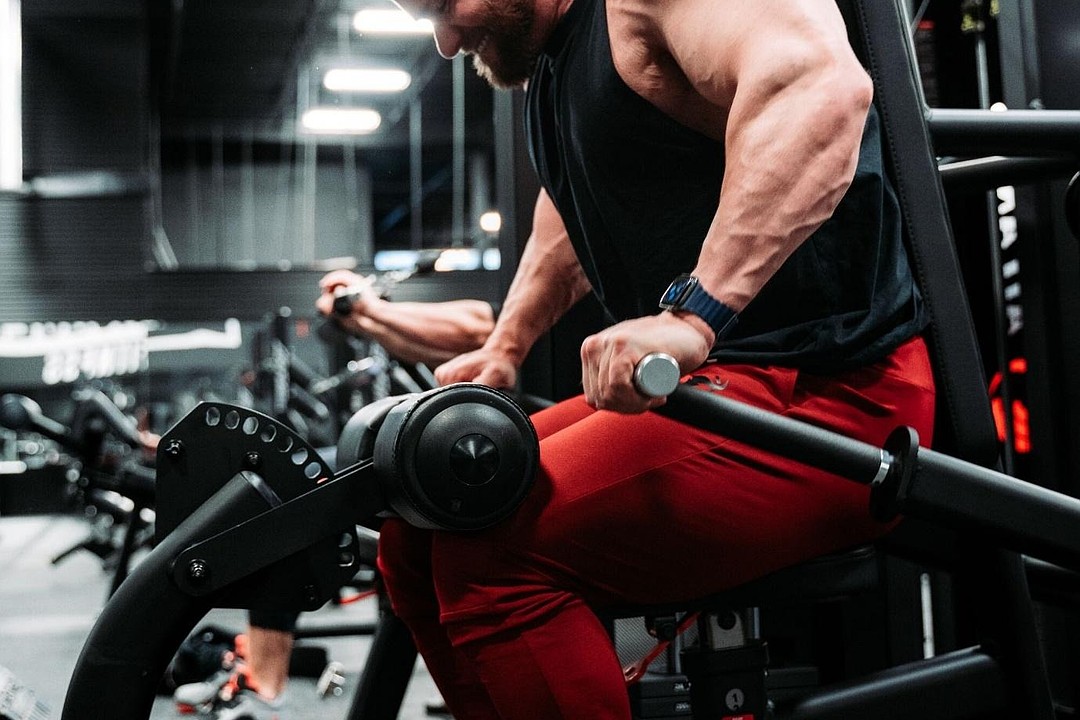
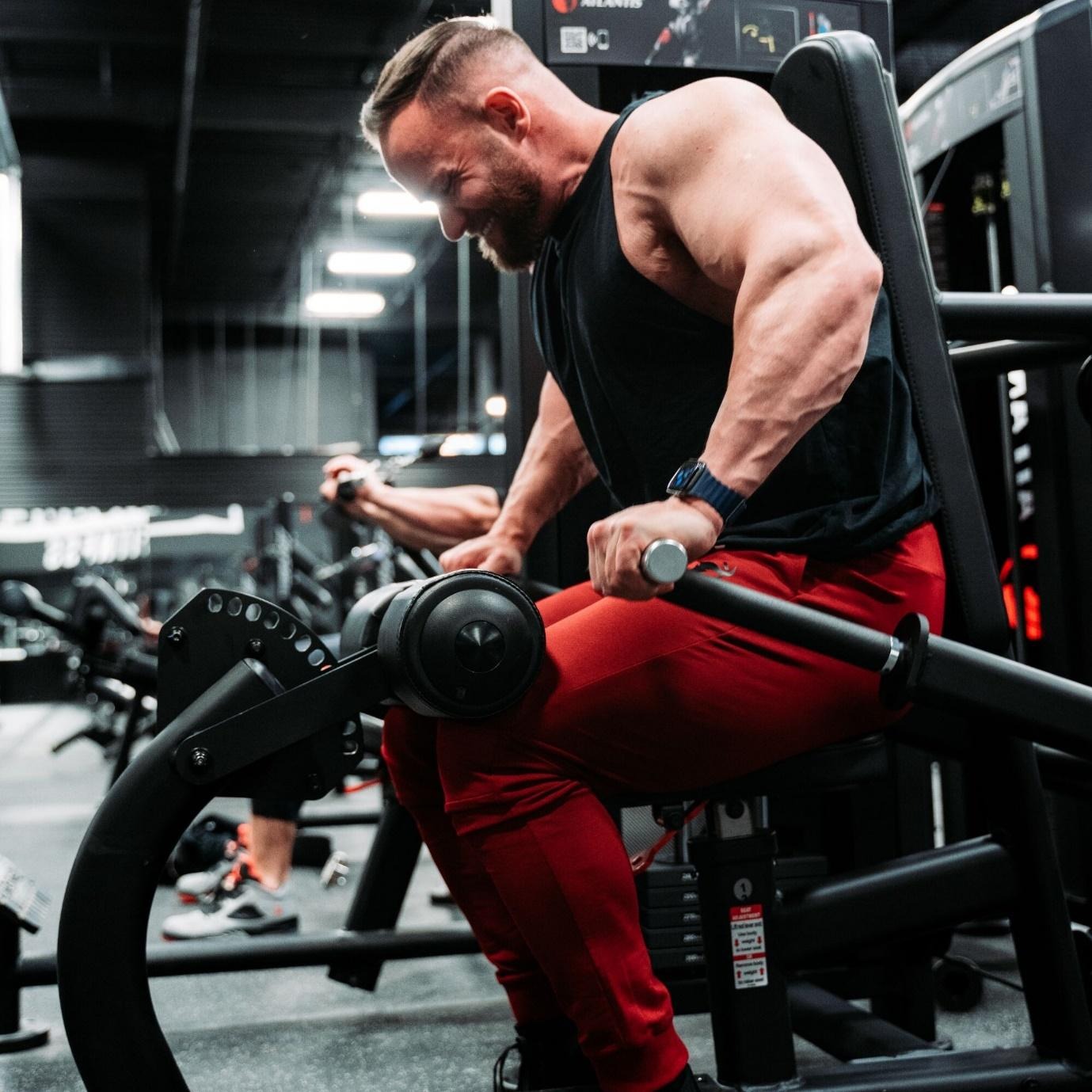
The fitness industry in Melbourne is undergoing a significant transition. Owners of gyms are investing in more intelligent, environmentally friendly, and connected workout experiences rather than just purchasing equipment. From small-scale training facilities to expansive training centres, the emphasis is moving towards sustainable, design-forward, and tech-enabled fitness solutions. In 2025, these items will redefine commercial gym equipment Melbourne.
1. The Rise of Smart and Connected Equipment
Technology has officially moved from the sidelines to the gym floor. Smart gym equipment Melbourne now includes built-in performance tracking, AI-powered workout feedback, and digital integration with popular fitness applications. Gym owners are investing in machines that allow members to seamlessly track their progress, while trainers can use real-time data to tailor programs.
The connected gym has become the new normal, with smart strength systems that automatically adjust resistance and cardio machines with immersive training screens. This change not only improves member engagement but also operational efficiency via data insights and usage tracking.
2. Sustainable Equipment and Eco-Friendly Gyms
Sustainability is becoming more than just a trendy term; it’s becoming a necessity for businesses. The design and composition of contemporary commercial exercise equipment reflect the growing emphasis on environmentally friendly options among Melbourne’s fitness community.
Manufacturers are using low-impact production techniques, energy-efficient machinery, and recyclable materials. In order to drastically lower their carbon footprint, some gyms have even started using self-powered cardio equipment that produces electricity while users are working out. Eco-friendly gym layouts are turning out to be a significant differentiator for fitness companies as customers grow more conscious of environmental issues.
3. Functional Training Takes Centre Stage
With an increasing preference for multipurpose training areas, functional fitness is still one of the most popular trends in 2025. Gyms are increasingly investing in rigs, racks, and modular systems that enable flexible, movement-based workouts in place of rows of static machines.
This strategy uses floor space more effectively while also supporting a variety of training styles, such as HIIT, mobility, and strength. Weighted sleds, plyometric boxes, suspension systems, and adjustable rigs made for both individual and group training settings are now common pieces of functional gym equipment Melbourne.
4. Boutique-Style Spaces with Personalised Equipment Zones
Smaller, higher-end gyms are flourishing in Melbourne’s suburbs, providing members with curated experiences rather than overcrowded facilities. These boutique studios frequently feature custom commercial fitness equipment tailored to their training philosophy, whether it is performance, recovery, or aesthetics.
Personalisation has become an increasingly common practice, with gyms focussing on creating unique zones that reflect their brand identity and clientele. From custom-coloured rigs to branded flooring and equipment, boutique studios are using attention to detail to stand out and build loyal communities.
5. Hybrid Training and Recovery Integration
The fitness landscape following the pandemic has resulted in a hybrid model that combines digital and in-gym experiences. These days, members of gyms anticipate equipment that combines the two worlds—devices that can be used for virtual coaching sessions or app-based workouts.
Recovery has also emerged as a crucial component of fitness regimens. Recovery areas with compression boots, massagers, and cryotherapy equipment are becoming more and more common in Melbourne gyms. Utilising both specialised recovery tools and state-of-the-art performance equipment demonstrates a comprehensive approach to member wellness.
6. Ergonomic and Space-Efficient Designs
For gym owners, space optimisation has become essential as Melbourne’s commercial rent costs rise. The newest commercial exercise equipment is made to be as functional as possible while taking up the least amount of space possible. Gyms are becoming more aesthetically pleasing and able to accommodate more people with the help of adjustable benches, small plate-loaded machines, and modular storage options.
For both professional athletes and those interested in general fitness, ergonomic design also ensures that equipment supports proper form and lowers the risk of injury.
7. The Influence of High-Performance Training
Mainstream gym designs are being influenced by professional sports and athletic performance facilities. The increasing demand for strength and conditioning equipment in Melbourne, including flywheel technology, power racks, and plate-loaded machines, demonstrates how committed gym patrons are to training like athletes.
Elite performance centres are no longer the only places to use these cutting-edge tools. Performance-driven zones, which give members the same training experience as pros, are being incorporated into many commercial gyms to increase member engagement and improve outcomes.
Final Thoughts
The fitness sector in Melbourne is at a fascinating juncture where sustainability, technology, and customisation converge. Gyms that adopt these trends—smart equipment, eco-friendly design, functional spaces, and hybrid training models will set the standard for reinventing the exercise experience as 2025 approaches.
Purchasing cutting-edge exercise equipment in Melbourne is important for gym managers and owners for more reasons than simply maintaining their competitiveness; it’s also about fostering an environment where creativity, performance, and community coexist.
link