It is now more than ever before that people in Australia are exercising more, engaging in sports, and having physically active lifestyles. The dedication of people to fitness is also wonderful to observe, and both weekend hikers exploring new paths and gym enthusiasts striving to benchmark their results can be seen. It is very nice to witness how serious people are when it comes to being fit. However, the more active people get, the more certain things are easily forgotten, such as how to rest one after an exercise session, how to avoid excessive or burnout, and how to sustain injuries despite the most protective measures.
Moving injuries, whether new to exercise of sports or more experienced, knowing how the body heals and repairs itself is critical. This knowledge of how to further protect and sustain gain without injury becomes just as important.
Accidents do quite rigorously to sustain a wide range of active lifestyles from sports to fitness classes, so balance practices with a mindset of injury and/ or accident preparedness to avoid injury. This is the focus of the following pieces of content.

The Hidden Cost of Skipping Recovery
It overworked or active individual is beholden to the fantasy that rest is for the lazy and weak. They carry a delusion that their body is a perfectly oiled machine that will always come through for them. While their dedication is commendable and earns them cancerous bragging rights, their stupidity and ignorance will come back to bite them in the rear.
When we exercise, we tear our muscle fiber microscopically. It sounds bad but is the foundational base of how we build and attain muscle. The unfortunate part of the process is that the repair and build back of the tissue in subsequently stronger form takes hours and days, and the primary form the repair takes is through rest. With no rest, and skip recovery, we are breaking essential biological processes at a cellular level.
For the overworked and active delusional individual, every sign of performance, every positive, and even their immune system will come crashing down. The rest neglected athlete will be tired for a lifetime, exhausted and oblivious to the fact that their intense efforts are exactly what is stunting their progress, leaving them stalled for what feels like a lifetime.
Understanding the science of recovery reveals why training without proper refuelling holds you back. Your body requires specific nutrients, adequate sleep, and strategic rest periods to adapt to the stresses you place upon it. Protein synthesis, glycogen replenishment, and hormonal balance all depend on giving your system the time and resources it needs to rebuild.
Manage your rest days just as you manage your training days, implement them just as strictly. You should aim to get 7-9 hours of sleep each night and make sure that sleep is quality sleep. Make sure to get enough protein and complex carbs to fuel your body. When your body is recovering, you can use gentle forms of exercise to help blood flow. This can be gentle swimming, walking, or doing yoga, all of which are good forms of active recovery.
Recognizing the Warning Signs
Your body is always communicating with you and majority of us learn how to disregard its messages. Endless exhaustion, falling efficiency, emotional fluctuation, heightened susceptibility to illness and that persistent soreness that never quite cures all these are red flags that recovery is not enough.
Progressive joint pain is to be given special attention. Even though a little bit of post-exercise muscle soreness is a normal consequence of a hard workout, acute pain, swelling, or any form of pain that will not allow you to work within the pain-free range of motion is the automatic warning signal. Training on such symptoms usually converts trivial problems into serious injuries that take long periods to heal.
Sleep quality is another significant indicator. The result of overtraining is a disrupted sleep cycle which creates a vicious cycle of poor rest that undermines recovery. When you are lying awake, though you are physically tired or your eyes pop open without rejuvenation, then your training burden may be out of step with your ability to recover.
Mental and emotional indicators are not an exception. Strong reactions to things that you normally like, feeling irritable or nervous, and lack of concentration are all signs that indicate that your nervous system is overloaded. It is not only the muscles that are pushed when engaging in physical training, but it is also a challenge to the whole physiology.

Building a Sustainable Recovery Protocol
The process of going through the process may not require any costly equipment or ritual to achieve the desired outcomes of recovery. Essentially, it entails good food balance, sleep, right rest periods and focus on water.
One of the most significant factors in the optimization of recovery is timing of nutrition. The protein and carbohydrates consumed within an hour following critical exercise initiates the recovery process. Distribution of protein intakes over several meals through the day has been shown to favor muscle synthesis as compared to a single meal intake.
The role of hydration is in almost all processes of body functioning including digestion and circulation, as well as in the process of tissue repair. The majority of the population do not realize their fluid requirements, particularly in the warmer seasons or during an exercise session in an air conditioned center, whereby the quantity of evaporation of sweat can be negligible. One of the most basic methods of monitoring hydration is by checking whether your urine is colored. Pale yellow or clear means that you are well-hydrated. Darker colors imply higher consumption of fluids.
Sleep optimization has been known to be the lowest effort of maximizing returns. Controlling bedtime and wake-time, the time spent at the screen before falling asleep, making the bedroom cool and dark, and not taking caffeine after noon may be of great help in improving sleep quality. The release of growth hormone occurs mostly when one is in deep sleep phase of sleep and allows the body to repair the tissue and develop muscles..
Active recovery methods are seen to supplement passive rest. Movement of light enhances movement of blood to recovering muscles provision of nutrients and elimination of waste products. The trick is not to push it too hard, so that you are not causing any training stress but, instead, are encouraging the body to recover.
When Injuries Happen Despite Best Efforts
Even with the best recovery practices, injuries can still occur. Sometimes they are the result of an accident during training; other times, they can happen in everyday life-a slip on a wet floor, a car accident, or an incident that occurs because of someone else’s negligence.
The physical toll of injury extends far beyond immediate pain. Time away from exercise affects cardiovascular fitness, muscle mass, mental health, and overall quality of life. When an athlete’s livelihood depends on his or her physical capability, the financial effects compound the physical hurdles.
Understanding your options is important in these cases, where injuries arise due to the negligence of another party. Whether your injury has arisen from unsafe conditions at a gym, a car accident caused by a reckless driver, an injury at work, or any other circumstance where someone else’s action or inaction contributed to your injury, you may be entitled to compensation.
Consulting with experienced personal injuries lawyers can help you understand your rights and potential avenues for recovery of medical expenses, lost income, and compensation for pain and suffering. Many people hesitate to seek legal advice, assuming their situation doesn’t warrant it or feeling uncertain about the process. However, professional guidance early in the process often proves invaluable for navigating insurance claims and understanding what compensation you might reasonably expect.
In all these cases, documentation plays an important role. Medical attention not only provides immediate care for your injuries but also creates a record of them. Photographs of accident scenes, records of all medical treatments, and documentation of how the injury affects your daily life all strengthen potential claims.

The Rehabilitation Journey
The rehabilitation has the same principles regardless of whether your injury is caused by overtraining or other external factors. The basis of successful recovery is patience, consistency and professional advice.
Rush rehabilitation will be soon reinjured. It is understandable that the desire to move back to normal activity is strong, but tissues should have time to heal themselves. Getting back to full performance before one has healed can easily lead to delays and lengthen time of recovery of the individual way beyond what a period of patience would have taken.
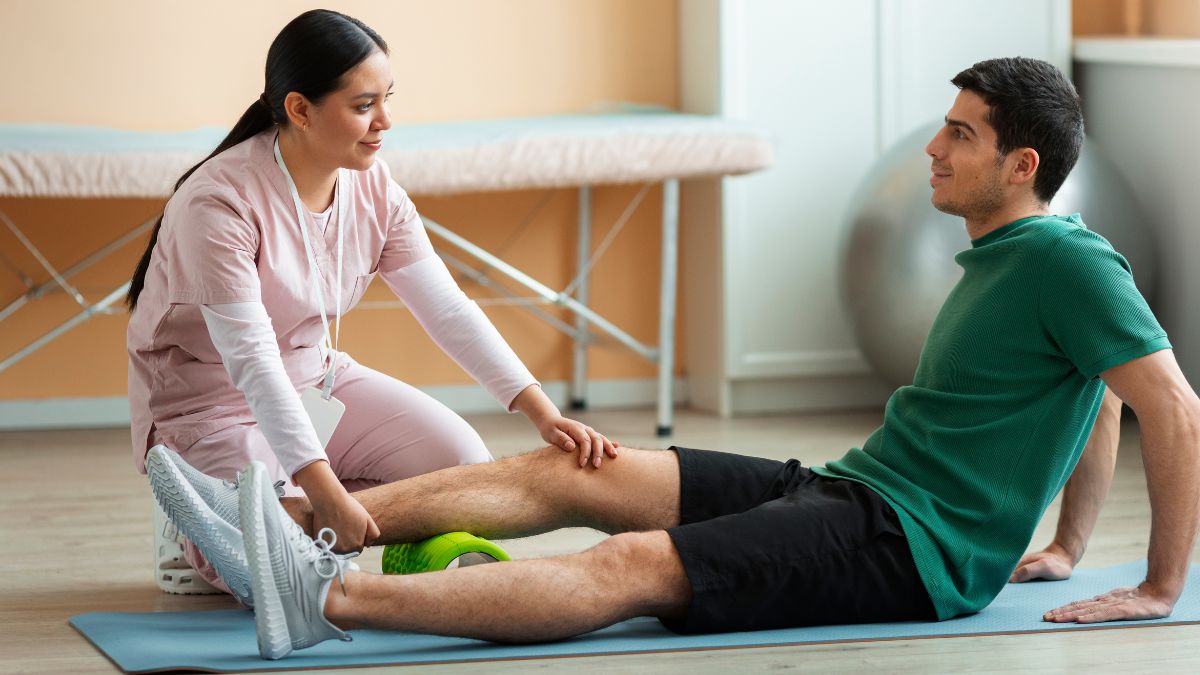
Scheduling in the company of health care experts will make sure you advance in the right direction of the rehabilitation stages. Physiotherapists, sports medicine physicians and other experts in this field will add those skills that will enable you to recover as fast, but injury-free as possible and reducing the risk of re-injury.
Physical healing needs no more attention than mental recovery. Injuries may lead to anxiousness of returning to activity, disappointment over making any progress, and even depression in few instances. The understanding of the psychological impact and addressing it directly creates the path to full recovery.
Moving Forward with Knowledge and Preparation
The vast benefits to our lives that can be experienced through a physically active lifestyle. The physical, mental health and social aspects of physical fitness strengthen us as individuals, and enhance our lives by improving our overall Lifestyle Quality. In order to protect our ability to stay physically active, it is essential to have a balance of activity and rest for recovery, and to be prepared for the possibility that we may be injured, regardless of how careful we are in taking steps to avoid such injuries.
By respecting your body’s need to rest and repair, you are better prepared to experience success with the long-term training process and avoid burnout and breakdowns in between every training cycle. Additionally, being aware of your rights as a result of injury due to another’s negligence allows you to be pro-active in defending yourself against unnecessary hardships during difficult times.
There is no intent here to suggest you approach your life with an abundance of caution or a fear of injury. Instead, we encourage you to pursue your physically active lifestyle with wisdom, with the understanding that resting and recovering will yield the maximum return on your training investment and that there are options available to you if you suffer an injury due to an unexpected event outside of your control.
Continue with your activity, recover appropriately and know that you have choices if unforeseen circumstances arise.
Image by freepik, Maryjoy Caballero, Drazen Zigic, and yury kirillov from freepik, Unsplash, freepik and Unsplash
The editorial staff of Medical News Bulletin had no role in the preparation of this post. The views and opinions expressed in this post are those of the advertiser and do not reflect those of Medical News Bulletin. Medical News Bulletin does not accept liability for any loss or damages caused by the use of any products or services, nor do we endorse any products, services, or links in our Sponsored Articles
link