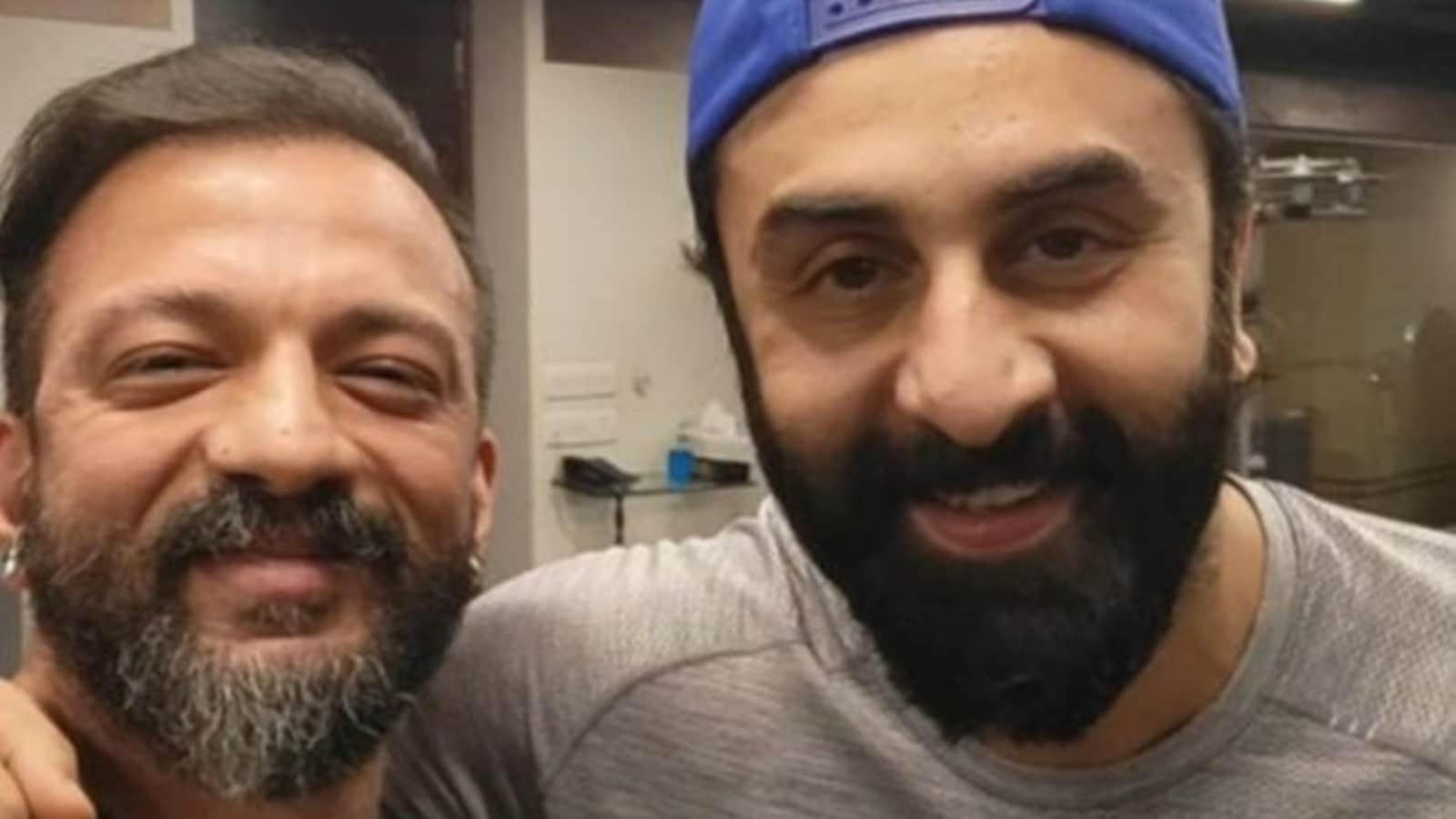
In a YouTube video, fitness coach Shivohaam Bhatt, who has trained stars like Ranbir Kapoor and Amitabh Bachchan, clarifies that while losing weight can be essential for certain individuals, it isn’t the only marker of well-being.
“Weight loss is a very healthy goal for people who are clinically obese. Losing weight will resolve many health problems. But there’s a misconception that to be healthy or feel good, you must lose weight. That’s only partly true. Weight loss improves confidence, but if done incorrectly, you may lose muscle tone, and your body may sag, leaving loose skin,” he explains.

He cautions that relying heavily on cardio sessions, step-counting, or calorie deficits without adequate protein can have unintended consequences. “That’s why weight loss alone isn’t a completely healthy goal. Focus should be more on body recomposition.”
According to him, long-term health and physical function depend on habits that go beyond the scale. “Training, clean eating, and stress management are crucial. Without these, you cannot be healthy. Muscle building is important because it increases your BMR (basal metabolic rate), improves insulin sensitivity, and supports heart health. Functional training involves movements that replicate real-life actions, like lifting heavy objects or climbing stairs.”
He also emphasises that different exercise styles have distinct roles. “High-Intensity Interval Training (HIIT) involves short bursts of intense exercise followed by rest. Steady-state low-intensity cardio is effective for burning fat without overexerting yourself. Functional training combined with low-intensity cardio helps burn calories and maintain fat loss efficiently.”
Shivohaam further highlights the metabolic benefits of muscle, explaining why strength training should be a priority. “Building muscle helps burn fat because muscle is metabolically alive. Muscle requires energy to maintain, unlike fat. If you don’t stimulate your muscles through weight training and proper protein intake, your body will conserve energy and lose muscle, making fat loss harder.”
So how can individuals identify whether their current routine is causing healthy fat loss or unintended muscle loss?
Sadhna Singh, senior fitness and lifestyle consultant at HereNow Official, tells indianexpress.com, “Most people track only their body weight, but weight alone cannot differentiate between fat loss and muscle loss. The simplest way to know whether your routine is moving in a healthy direction is to look at strength, energy levels, and body-composition markers rather than the number on the scale. If your lifts are getting weaker, if you feel unusually fatigued, or if your body looks smaller but not tighter, those are early signs of muscle loss.”
Story continues below this ad
Most effective and realistic strategies for someone trying to follow a body recomposition approach
Singh notes that, for the average person, the most realistic approach is to “prioritise progressive strength training at least three to four times a week” while maintaining a consistently high protein intake. Most individuals should aim for 1.4 to 1.8 grams of protein per kilogram of body weight per day, spread across meals.
Instead of extreme calorie cuts, maintaining a slight deficit on rest days and eating at maintenance or a mild surplus on training days helps fuel muscle gain while still supporting fat loss.
“It is also important to focus on sleep, hydration, and recovery because the body cannot build muscle in a chronically stressed or under-recovered state. Consistency over eight to twelve weeks usually gives visible changes, even if the scale stays the same. For recomposition, the mirror and the way your clothes fit are better indicators than weight,” suggests the expert.
DISCLAIMER: This article is based on information from the public domain and/or the experts we spoke to. Always consult your health practitioner before starting any routine.
link